Projects
Nature's contribution to poverty alleviation, human wellbeing and the SDGs (Nature4SDGs)
The Nature4SDGs project was a collaboration between academic institutions in UK, India and Sweden that used multiple existing datasets to investigate the relationship between nature and wellbeing, and how this varies for different types of people in varied parts of the Global South.
P4ges: Can paying for global ecosystem services reduce poverty?
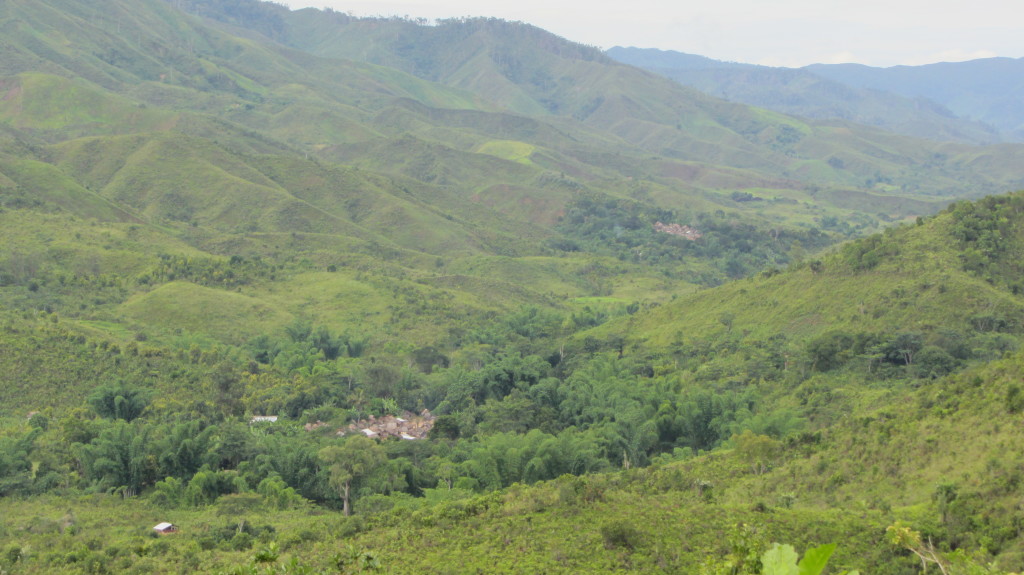
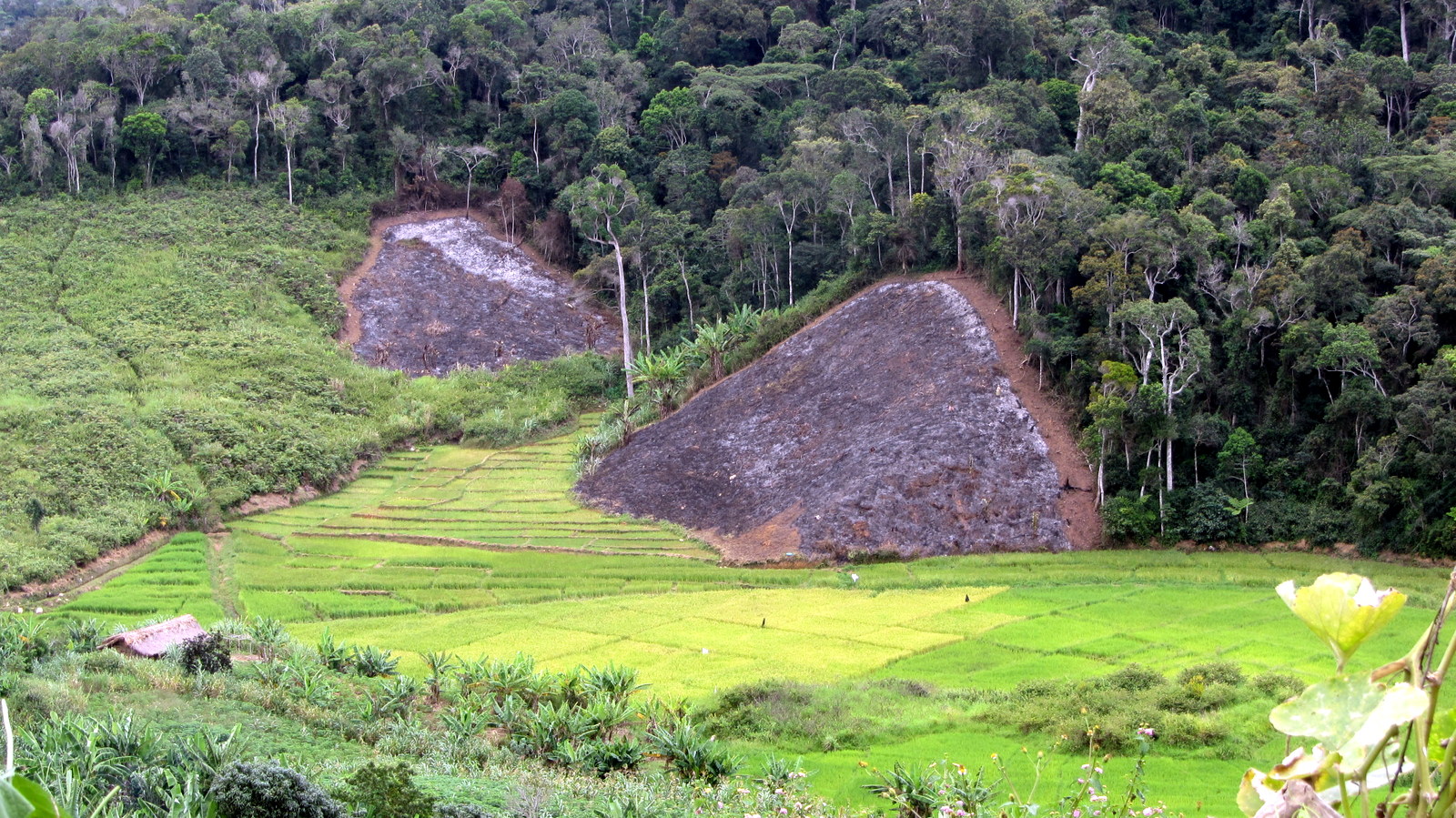
P4ges project sought to address a key question: How can international ecosystem service payment schemes most effectively reduce poverty in low income countries, given bio-physical, economic and political realities? I led the socio-economic work package within the project. I led the design of household surveys; coordinated data collection in rural Madagascar; and led socioeconomic data management and archiving within the project, with two datasets archived with ReShare UK.
Baltic Landscape in change - innovative approaches towards sustainable forested landscapes.
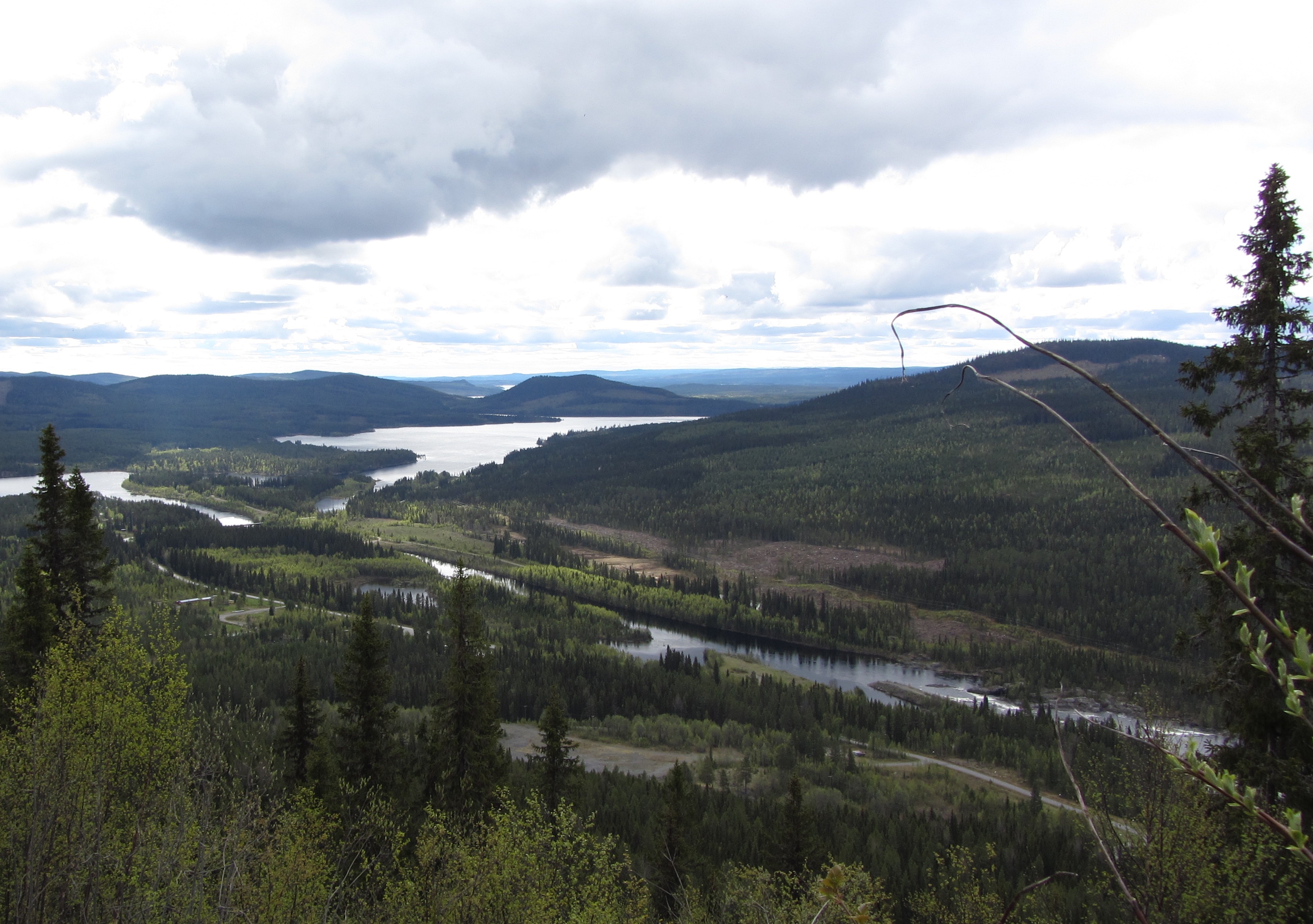
I was involved in Work Package 5 (Adaptive co-management and balancing of values in terrestrial habitats), where we used the case of Vilhelmina Upper Forest Common (VUFC) in northern Sweden to study participatory forest management/governance. In particular, I led the action-research component to analyse and encourage shareholders’ participation in the governance of VUFC. We studied shareholders’ engagement in the VUFC on one hand, while on the other, we analysed the board and forest manager’s planning and decision-making process. Furthermore, we attempted to test the applicability of tools such as participatory-GIS for planning and decision-making, and as a platform for communication between board and shareholders and among the shareholders regarding sustainable natural resource management and use within VUFC.
INNOVKAR: Innovative Tools and Techniques for Sustainable Use of the Shea Tree in Sudano-Sahelian zone
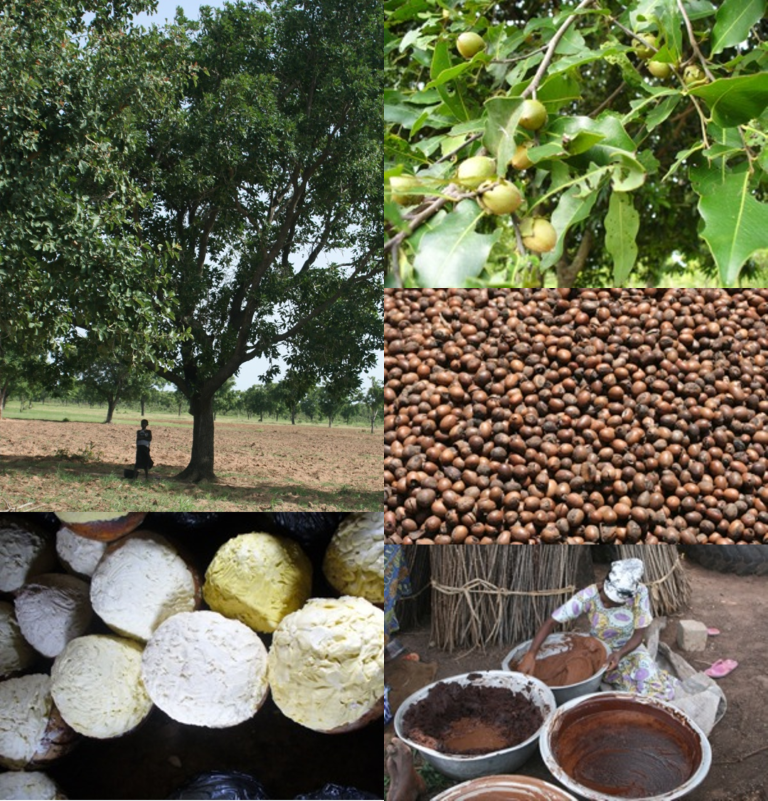
This project involved the study of shea trees, Vitellaria paradoxa, (economically important, multipurpose tree species in Sudano-Sahelian agroforestry parklands) from a variety of angles, such as distribution, propagation, genetic variation, impact of farming, impact of climate change and market value chain.
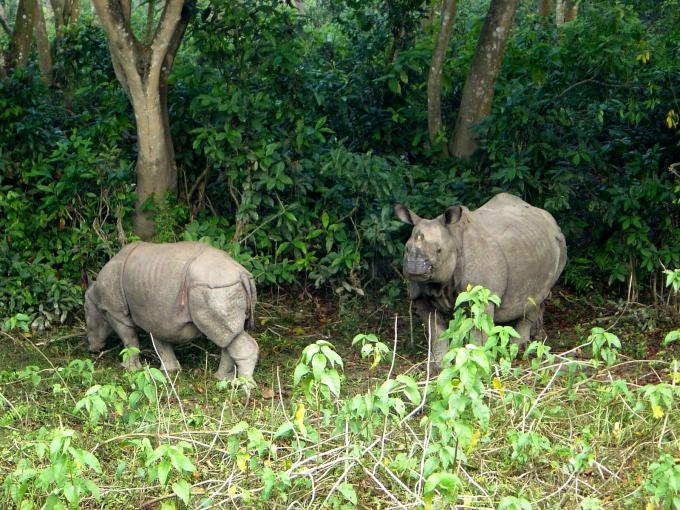
Economic Incentives and Poaching of One-horned Rhinoceros in Nepal
This interdisciplinary project that brought together multiple institutions and researchers received a research grant of around €110K from the Netherlands government through the PREM Programme in IVM, Virje Universiteit Amsterdam. The primary aim of this research project was to conduct an applied and policy-relevant study on the poaching of one-horned rhinoceros in Nepal, which at the time was at an alarmingly high rate, and to come up with practical and implementable policy options through an understanding of the factors that influenced poaching of rhinos in and around the Chitwan National Park. This interdisciplinary study involved researchers from a variety of disciplines from anthropology, environmental economics, geography to conservation biology, and multiple methods of study in terms of data gathering and analysis. I had the opportunity to lead the primary data collection in the project through questionnaire survey and discrete choice experiments in the households from six villages within the buffer zone of the national park. This study was able to discern some of the major factors contributing to the increased poaching of rhinoceros in Nepal through modelling of historic poaching figures as well as using the survey data. The research findings were presented at a national workshop in Kathmandu in February 2005, and further communicated through a policy brief and various publications and conference presentations.